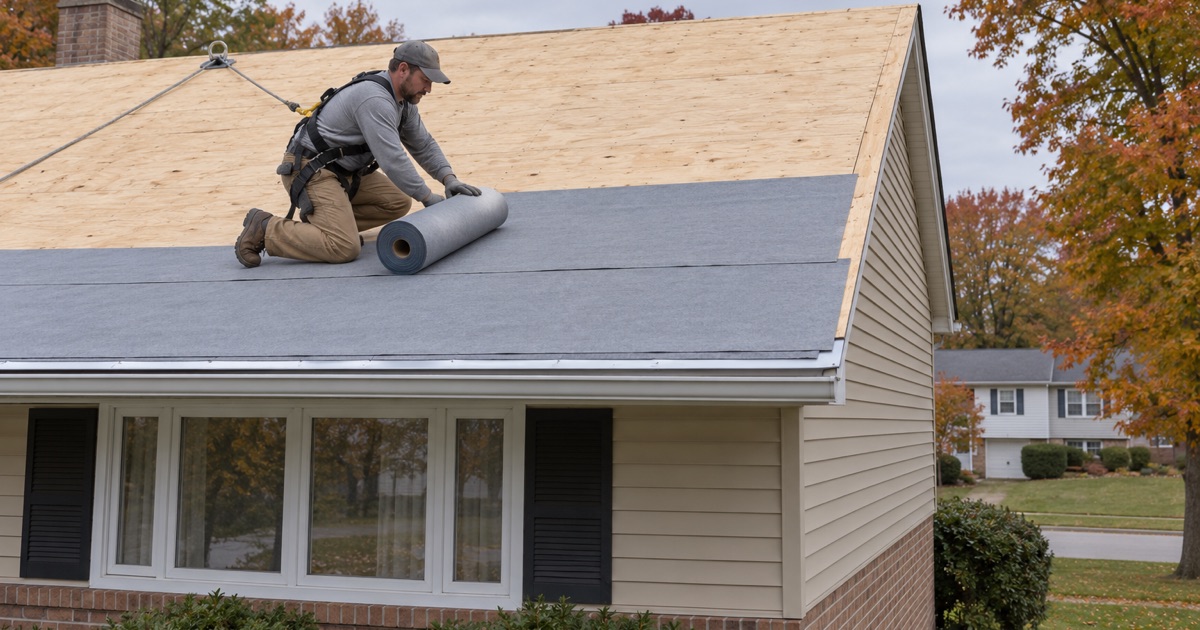
How a Full Tear-Off Runs
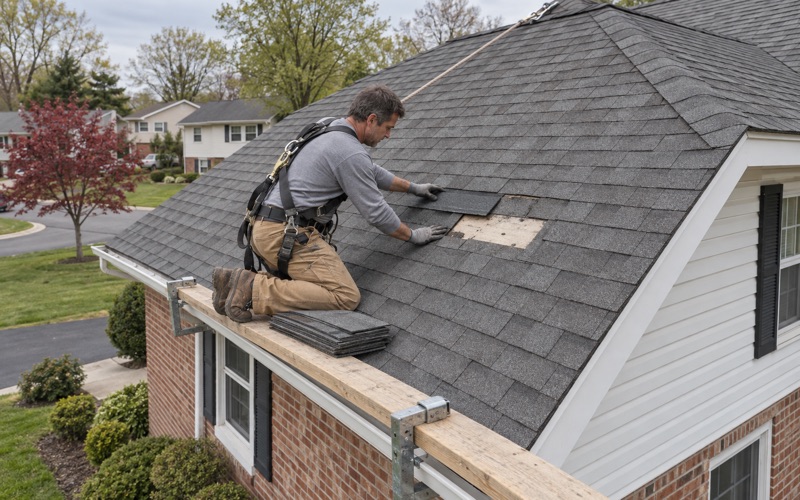
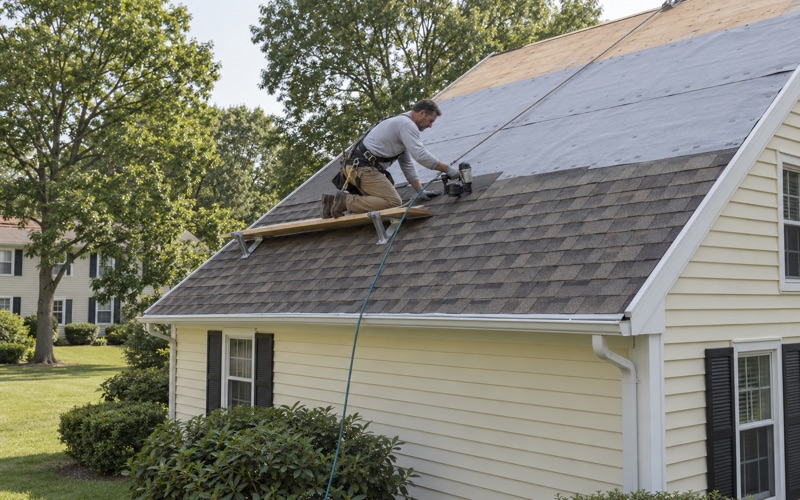
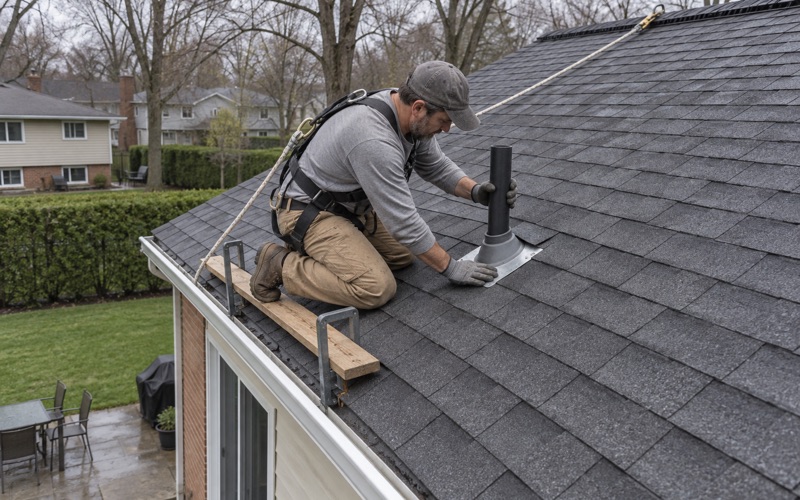
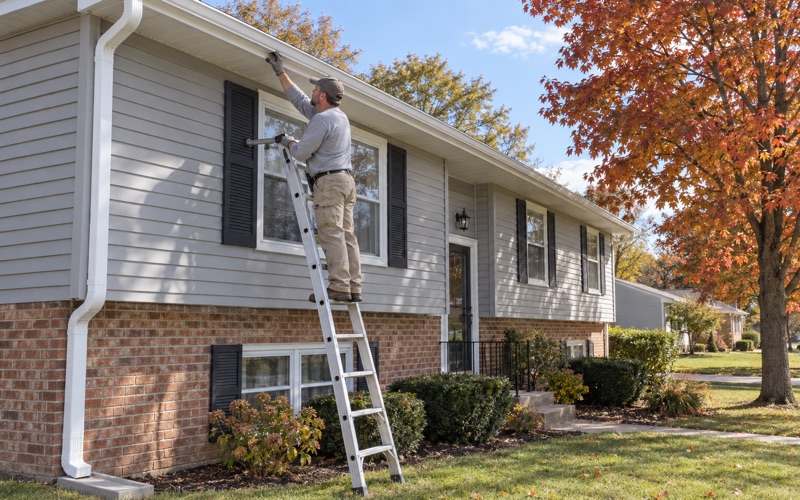
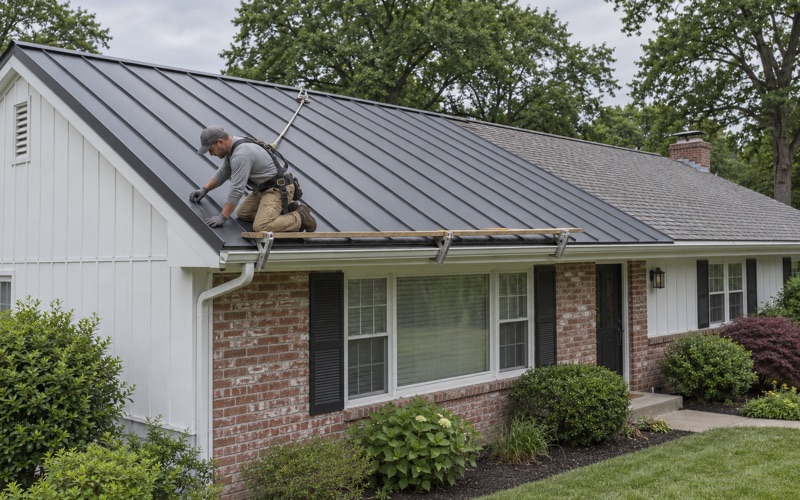
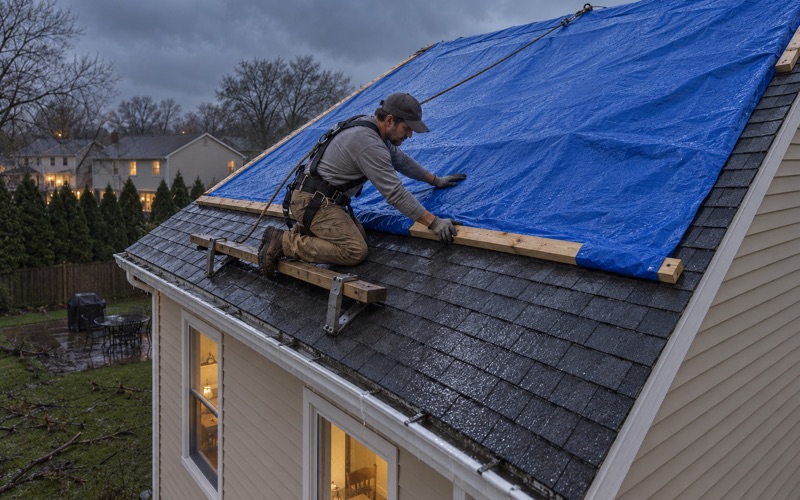
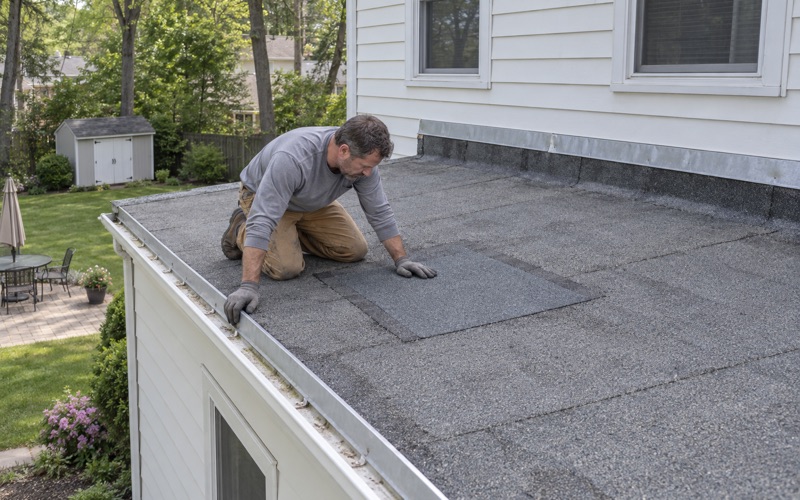
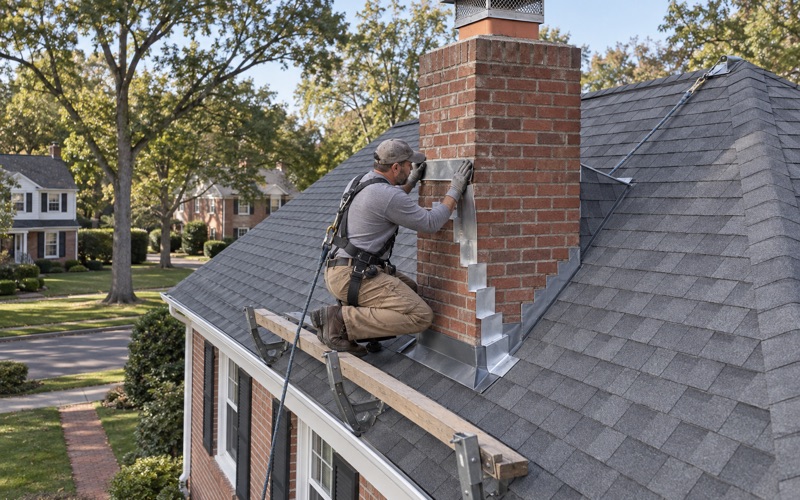
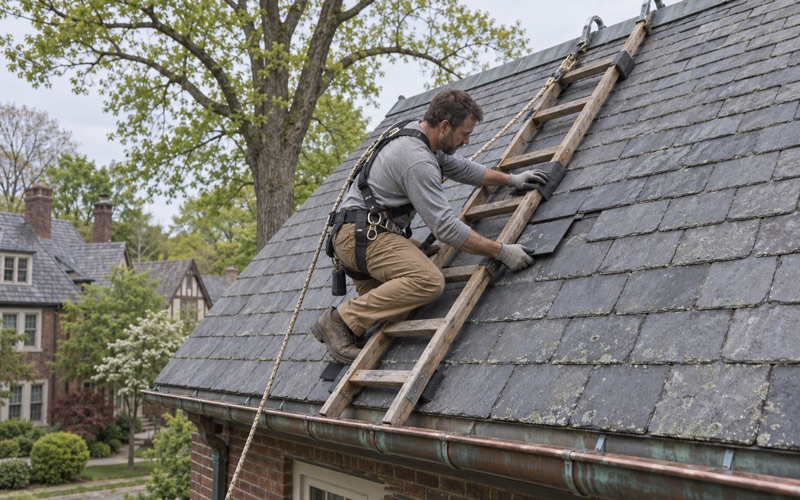
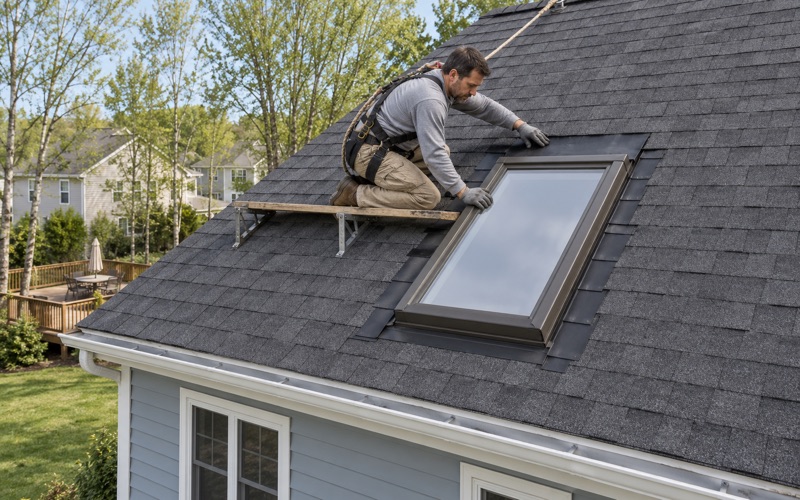
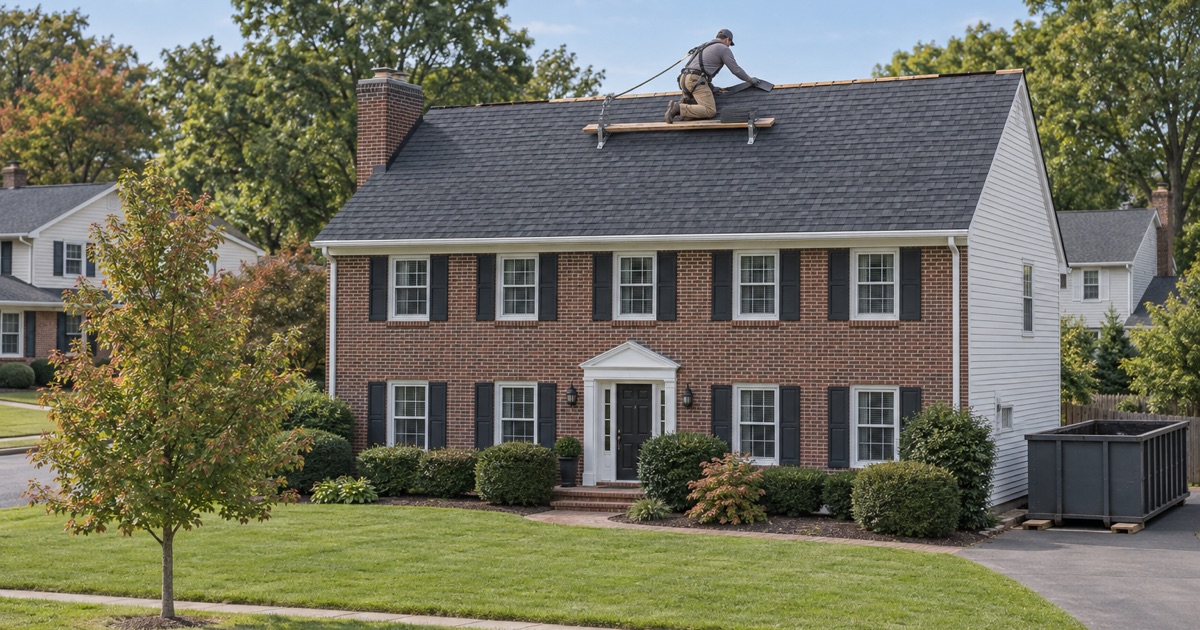
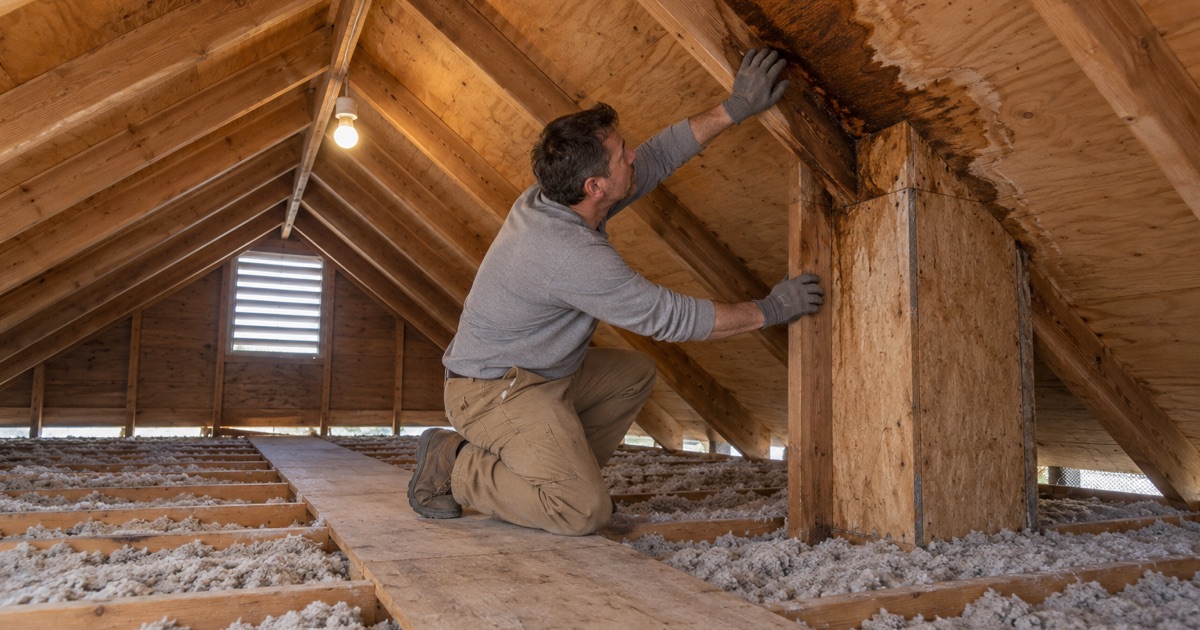
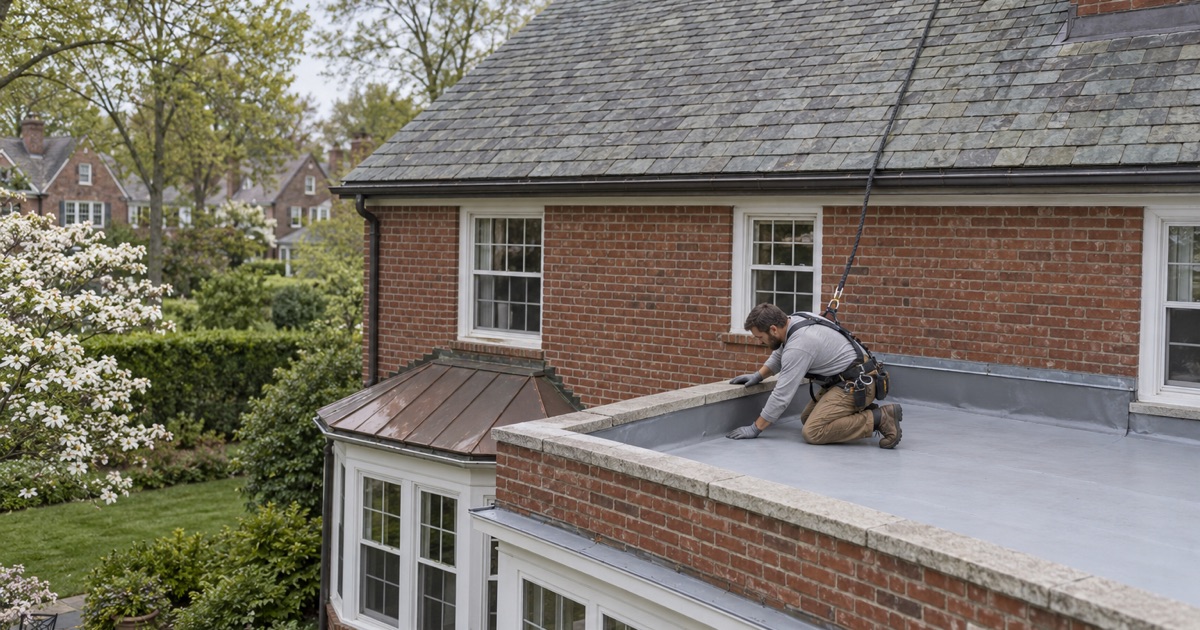
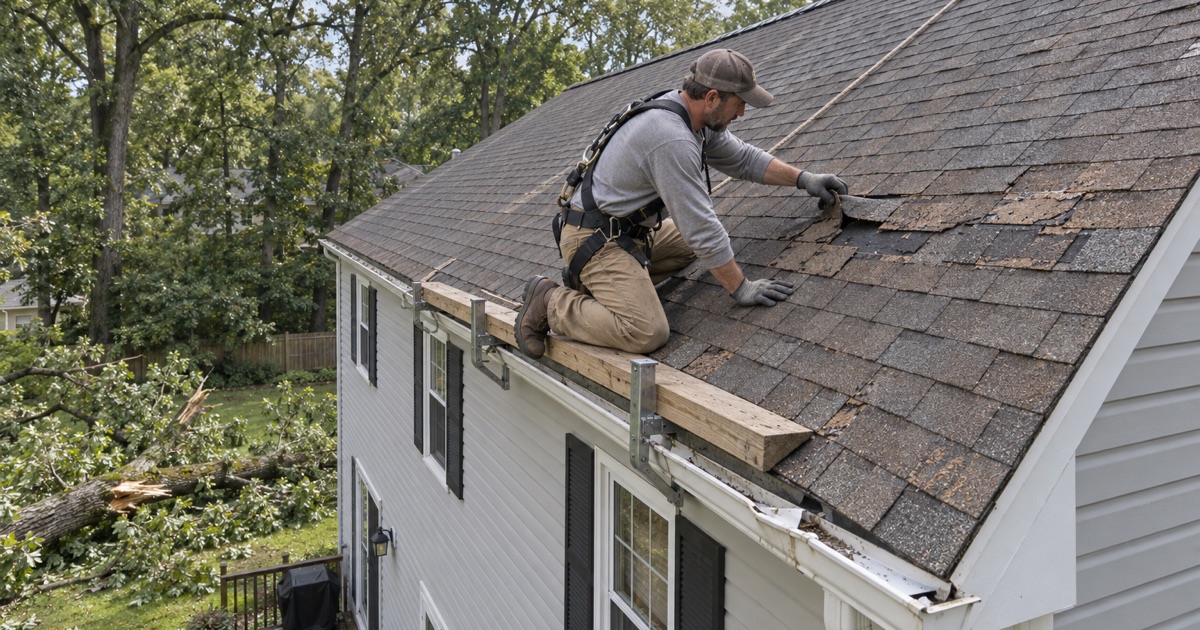
A replacement starts with tarps over shrubs and siding and a dumpster placed where it will not crack the driveway. The crew strips the roof to the deck, we inspect and photograph the decking, then ice and water barrier, synthetic underlayment, drip edge, flashing and shingles go on in order. The day ends with gutters cleared and a magnet sweep of the yard for nails.
Re-Roof Permits in New Jersey and Pennsylvania
In New Jersey, repairing or replacing the roof covering on a detached one- or two-family house is ordinary maintenance under N.J.A.C. 5:23-2.7 and needs no construction permit, though local historic district review can still apply. Pennsylvania is different: the Uniform Construction Code exempts some repairs, but townships set their own re-roofing permit rules, and some require one for every tear-off. We check the township before a Pennsylvania job is scheduled.
The 25 Percent Rule Myth
Many homeowners have heard that if more than a quarter of a roof is damaged, the whole roof must be replaced. That 25 percent rule comes from the Florida Building Code, not New Jersey’s. New Jersey once limited repairs to 25 percent of a roof in a year without a permit, but that rule was deleted in 2018, so a partial repair here is judged on the roof’s condition, not a percentage.
Roof Overlay Versus Tear-Off
Laying new shingles over one existing layer can be legal, but it hides the decking and the old flashing problems underneath. New Jersey’s rehabilitation subcode requires a full tear-off once two layers are already on the roof, so a third layer is not an option. On most houses we recommend tearing off even when an overlay is allowed, because it is the only way to see the deck.
Architectural Shingles and Ratings
Most replacements today use architectural laminated shingles, which are thicker and more dimensional than the old three-tab style. Wind ratings such as ASTM D3161 Class F and ASTM D7158 Class H describe how well the shingle resists blow-off, and UL 2218 Class 4 marks the highest impact resistance. We explain what each rating buys you so you only pay for upgrades that matter on your roof.
Choosing a Shingle Color for Your House
A shingle that looks right on a showroom board can clash with red brick, fieldstone or a particular siding color. We bring full-size samples to the house and hold them against the actual walls in daylight. That small step prevents the most common regret we hear about a new roof, which is the color.
Attic Ventilation: Soffit Intake and Ridge Exhaust
A roof needs air moving through the attic, in at the soffits and out at the ridge, to stay cool in summer and dry in winter. Many older houses have blocked soffits or a mix of gable, box and ridge vents fighting each other. We calculate net free area for intake and exhaust and correct the balance as part of the new roof.
Replacing a Roof Under Solar Panels
If your house has solar panels, the roof replacement has to be planned around their removal and reinstallation. We put that work in the schedule from the start, coordinated with the solar installer, so panels are not discovered on the morning of the tear-off. New flashing goes in at every mount before the panels return.
Roofing on Twins and Rowhouses
A twin or rowhouse shares a roof line, and often a parapet or party wall, with the neighbor. Replacing one side means tying new materials cleanly into the adjacent roof without leaving a seam that leaks into either house. We detail that joint carefully and, where possible, talk with the neighbor before work starts.